Júlia Franco
Product Designer
Bringing strategy, creativity, and scalable design together to build digital products that solve real problems.
Case Studies

A7 Credit: Streamlining B2B Credit Analysis

Melhores Fazendas

I believe great design starts with empathy. Products should adapt to people — not the other way around.
About

Hello, I'm Júlia!
Product Designer with solid experience in creating digital solutions that combine strategy, creativity, and technology. My journey is defined by the ability to transform complex challenges into intuitive and functional interfaces — always with a strong focus on the user experience.
🌟 What Sets Me Apart
Beyond designing visually engaging interfaces, my focus is on developing solutions that truly simplify users’ lives and deliver real business value. I believe effective design is born at the intersection of research, strategy, and experimentation.
🧩 Methodology & Mindset
My process is rooted in research, prototyping, and continuous validation — ensuring every decision is backed by data and real user feedback. I work collaboratively with multidisciplinary teams, bringing together UX/UI, development, and product strategy to deliver complete and impactful solutions.
💬 Core Values
I'm driven by curiosity, innovation, and continuous learning. For me, great design goes beyond aesthetics — it's about solving problems, enhancing experiences, and building meaningful connections between users, products, and brands.
Good design makes things better — for users and for businesses.
Let’s talk design!
I’m open to opportunities where I can help build thoughtful digital products.
📍 Based in Campinas-SP, Brazil
📧 [email protected]
🔗 LinkedIn: juliamfranco
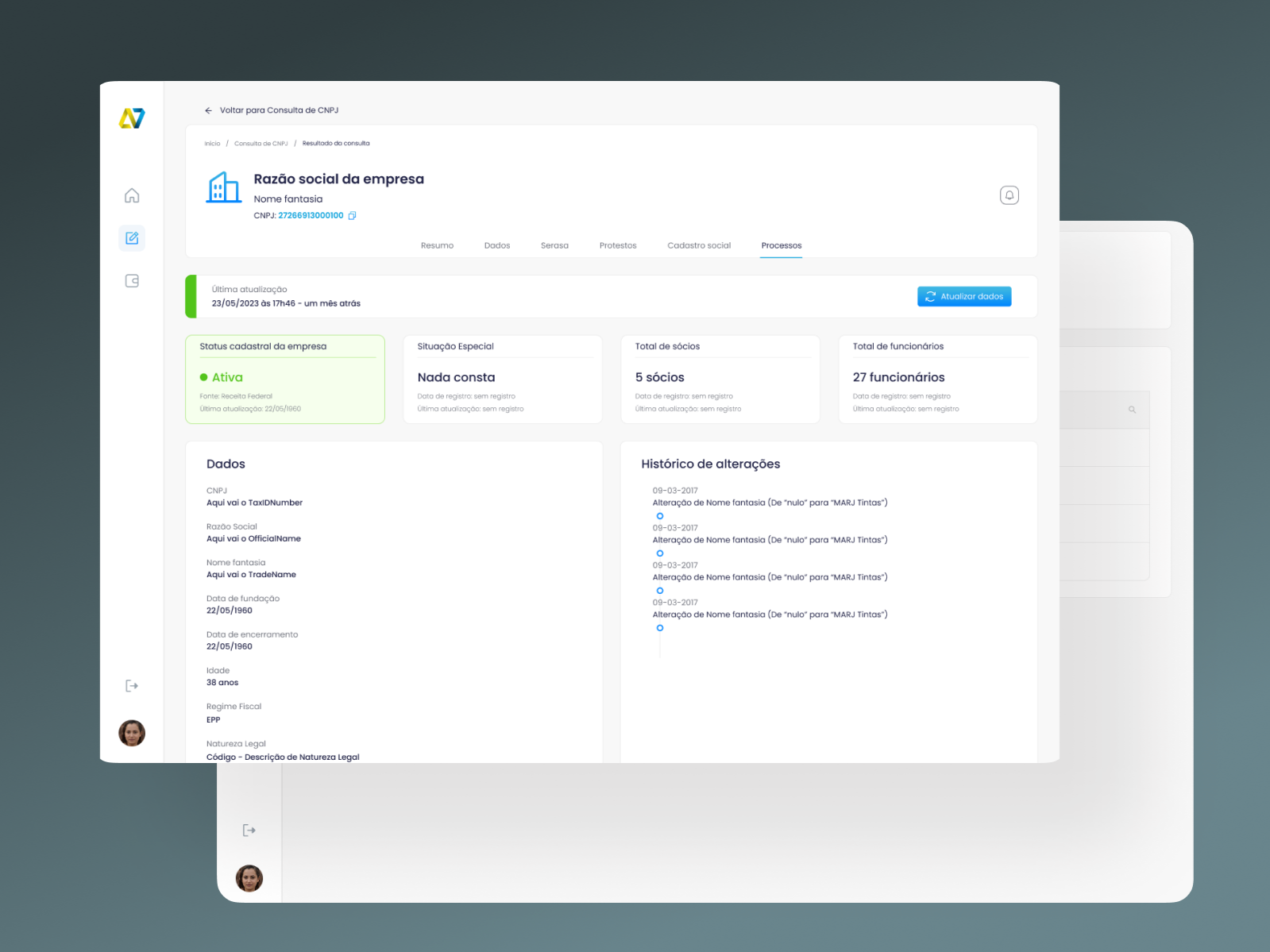
A7 Credit: Streamlining B2B Credit Analysis
Designing a unified internal platform to accelerate financial decision-making and eliminate data fragmentation.
Role: UX/UI Designer
Status: Implemented
Team: Product Designer · Dev Team · Business Team
Tools: Figma · Photoshop · Developer collaboration
Overview
A7 Credit is a Brazilian fintech that provides B2B credit solutions, such as receivable anticipation and working capital, to small and medium-sized enterprises (SMEs). The core of their business relies on accurately and quickly assessing the financial health of these client companies.This case study documents the design of a new, internal platform that centralizes all data required for credit analysis, transforming a slow, manual process into a streamlined digital workflow.
At a Glance:
Challenge
Internal users struggled to interpret dense financial data spread across different platforms and sources, which slowed down assessments.
What I did
Designed wireframes and high-fidelity prototypes focused on data readability and user efficiency;
Partnered with the business team to uncover recurring usability issues and map user journeys;
Collaborated with developers to align solutions with technical feasibility and internal constraints
Proposed interface improvements based on feedback, usability testing, and support monitoring.
Outcome
Reduced friction in core workflows;
Improved clarity of credit data presentation;
Streamlined internal workflows by unifying multiple data sources into a single, intuitive screen;
Established a scalable foundation for ongoing feature enhancements.
The Problem
The financial analyst team at A7 Credit was facing a critical operational bottleneck. To approve or deny a credit application, analysts had to manually gather financial and legal data from numerous, disparate external sources (such as Serasa, Receita Federal, court websites, etc.).This fragmented workflow meant analysts spent more time collecting and compiling data than analyzing it. The process was:
Time-Consuming: Analysts had to log in to multiple systems for each client.
Error-Prone: Data was manually copied and pasted into a separate internal document, risking human error.
Inefficient: It created a significant lag in the credit decision-making process, impacting the company's agility and client experience.
The Challenge & Goals
The project briefing was to create a single, internal "source of truth" that would consolidate all necessary client information.
Business Goal: Accelerate the time-to-decision for credit analysis, reduce operational overhead, and create a scalable system for a growing team.
User Goal: Eliminate manual data entry and "context-switching," providing analysts with a complete, scannable, and up-to-date profile for each client in one place.
Project Goal: Design a centralized dashboard that queries all external sources and presents the data in a clear, digestible, and actionable format.
My Process: Discovery & Research
To build a solution that served both the business and the users, I began with a qualitative research phase.
Stakeholder Interviews: I conducted interviews with the CEO to understand the project's strategic vision. The key takeaway was the need for a robust tool that would not only solve the current problem but also scale as the company grew and integrated new data sources.
User Interviews: I then held 1:1 sessions and contextual inquiries with the Financial Analysts (the end-users) to map their existing workflow and identify their primary pain points.
Key Insights from Research:
Data Hierarchy is Key: Analysts don't need all data at once. They need a quick summary first (Is the company "Active"? Does it have major "Protests"?) before deciding to deep-dive.
"Update" is an Action: Data freshness is paramount. Analysts needed a way to manually refresh the data on demand to ensure they were making decisions on the most current information.
Workflow, Not Just Data: The solution needed to replace their "internal document." This meant features like viewing company history ("Histórico de alterações") and a clear breakdown of legal processes ("Processos") were just as important as the summary numbers.
Design Evolution: From Wireframes to High-Fidelity
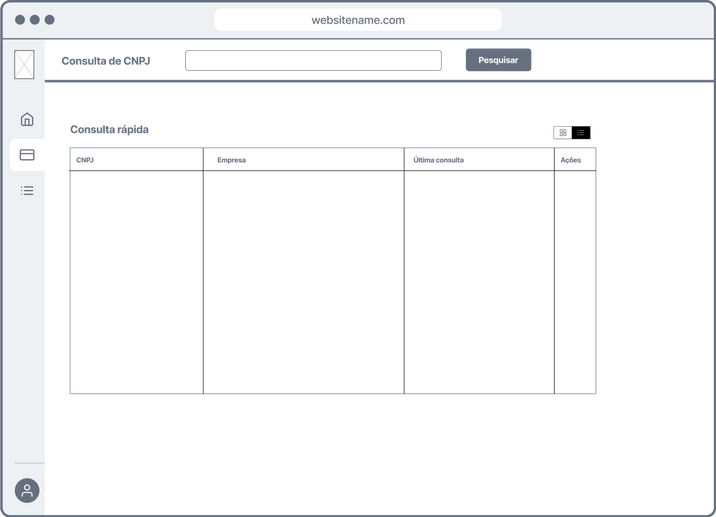
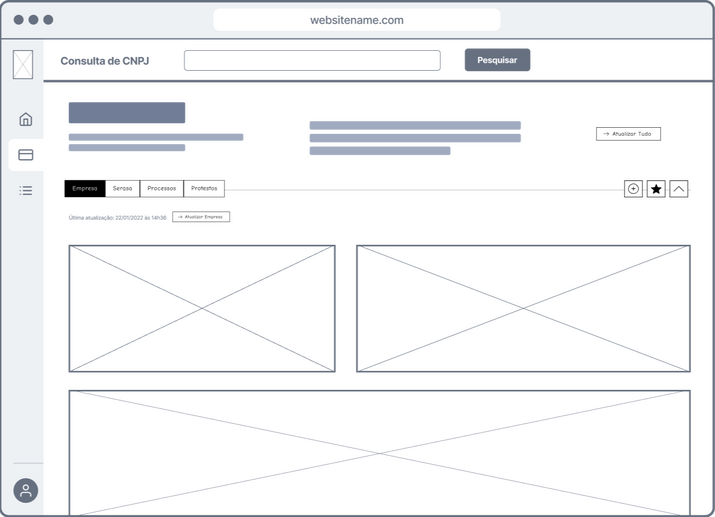
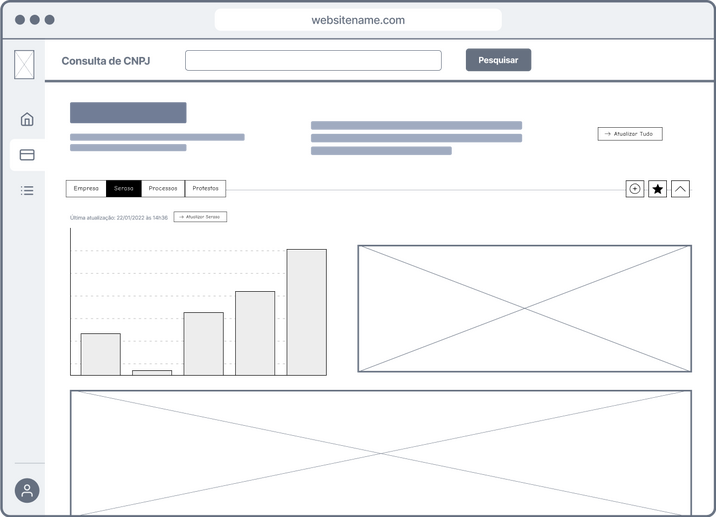
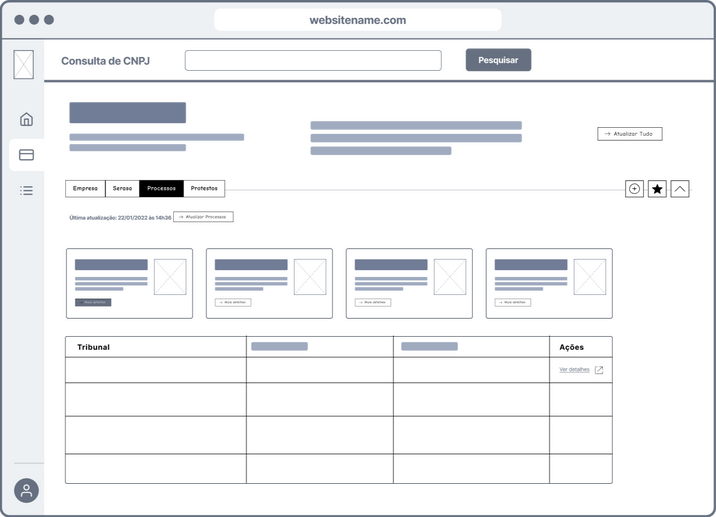
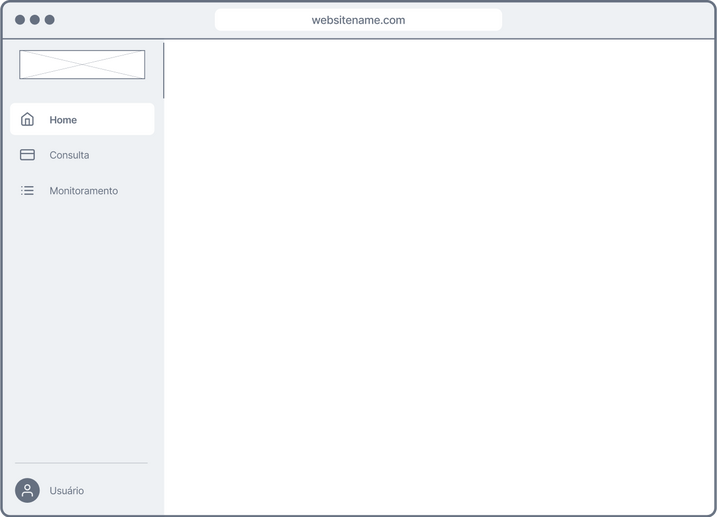
With the user needs defined, I moved into the design phase, iterating from low-fidelity wireframes to a final, polished UI.V1: Low-Fidelity Wireframes (Establishing the Core IA)
The first wireframes focused on the fundamental structure. The main goal was to validate the information architecture (IA). I established a CNPJ (client tax ID) search as the primary entry point and used a tabbed navigation to separate the main categories of information: Empresa (Company), Serasa (Credit Score), Processos (Lawsuits), and Protestos (Protests).
V2: Mid-Fidelity Wireframes (Refining the Layout)
Feedback on V1 confirmed the tabbed structure but highlighted the need to see more summary-level information without clicking. In V2, I broke down the large content blocks into smaller, digestible cards at the top and introduced a table structure for detailed, list-based data like court actions.
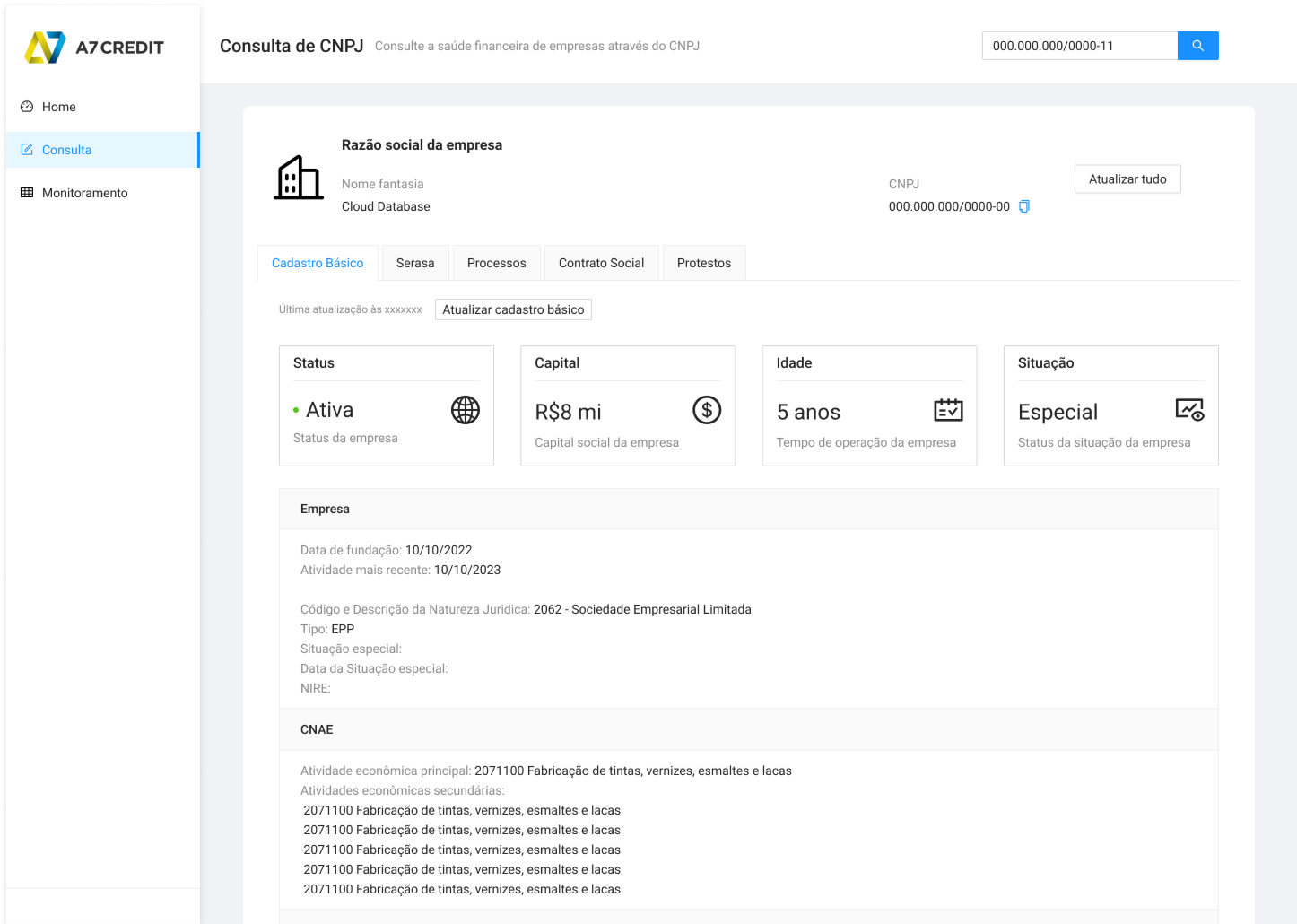
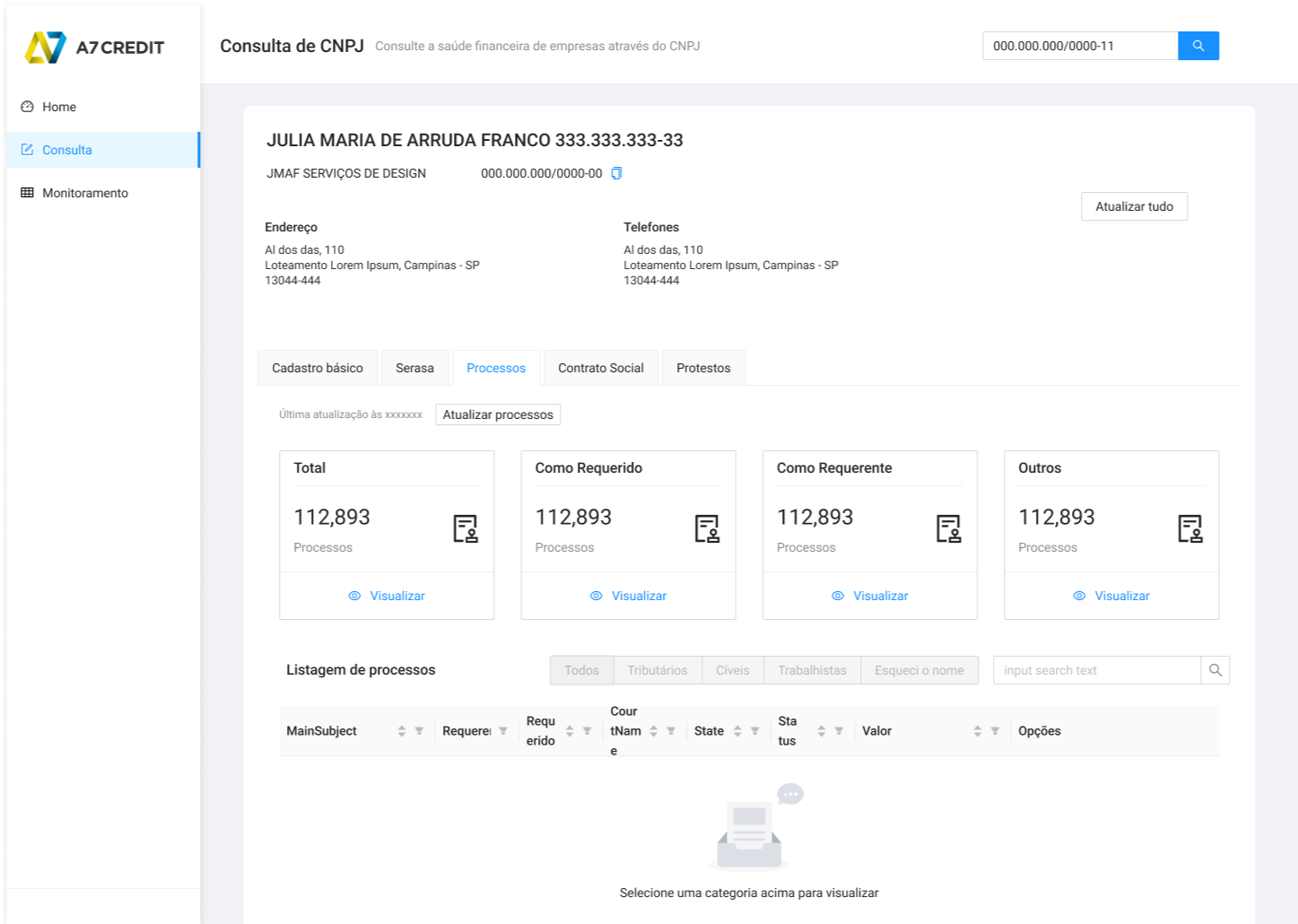
V3: High-Fidelity Design (The Final Solution)
The final high-fidelity design incorporated A7's branding, a clean light-mode UI for better readability, and a highly refined information hierarchy based on the research.This version introduced key "at-a-glance" modules on the summary page, such as "Status cadastral da empresa" (Company Registration Status), "Total de sócios" (Total Partners), and "Total de funcionários" (Total Employees), which directly addressed the analysts' need for a quick initial assessment.
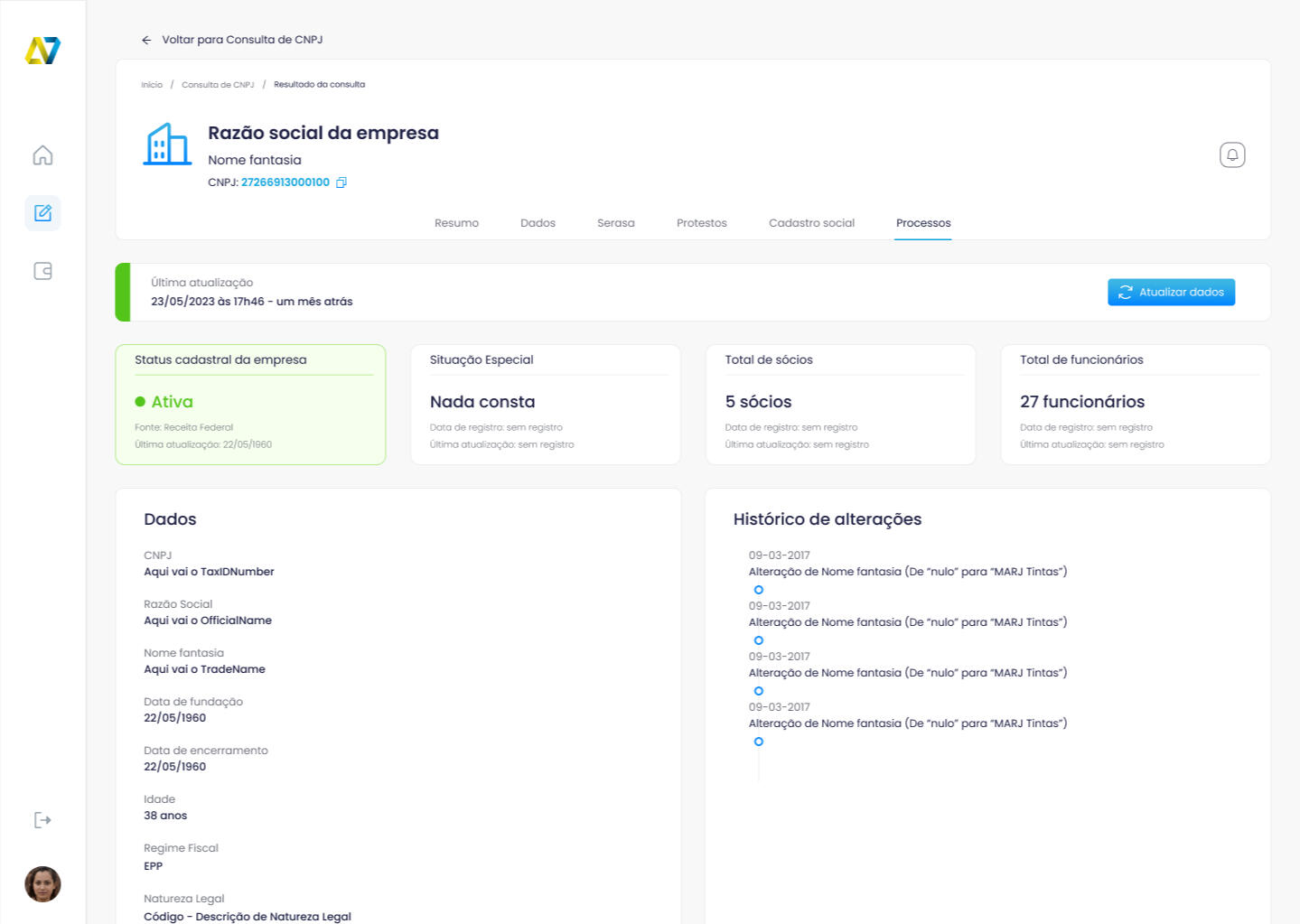
The Solution: A Unified Analyst Dashboard
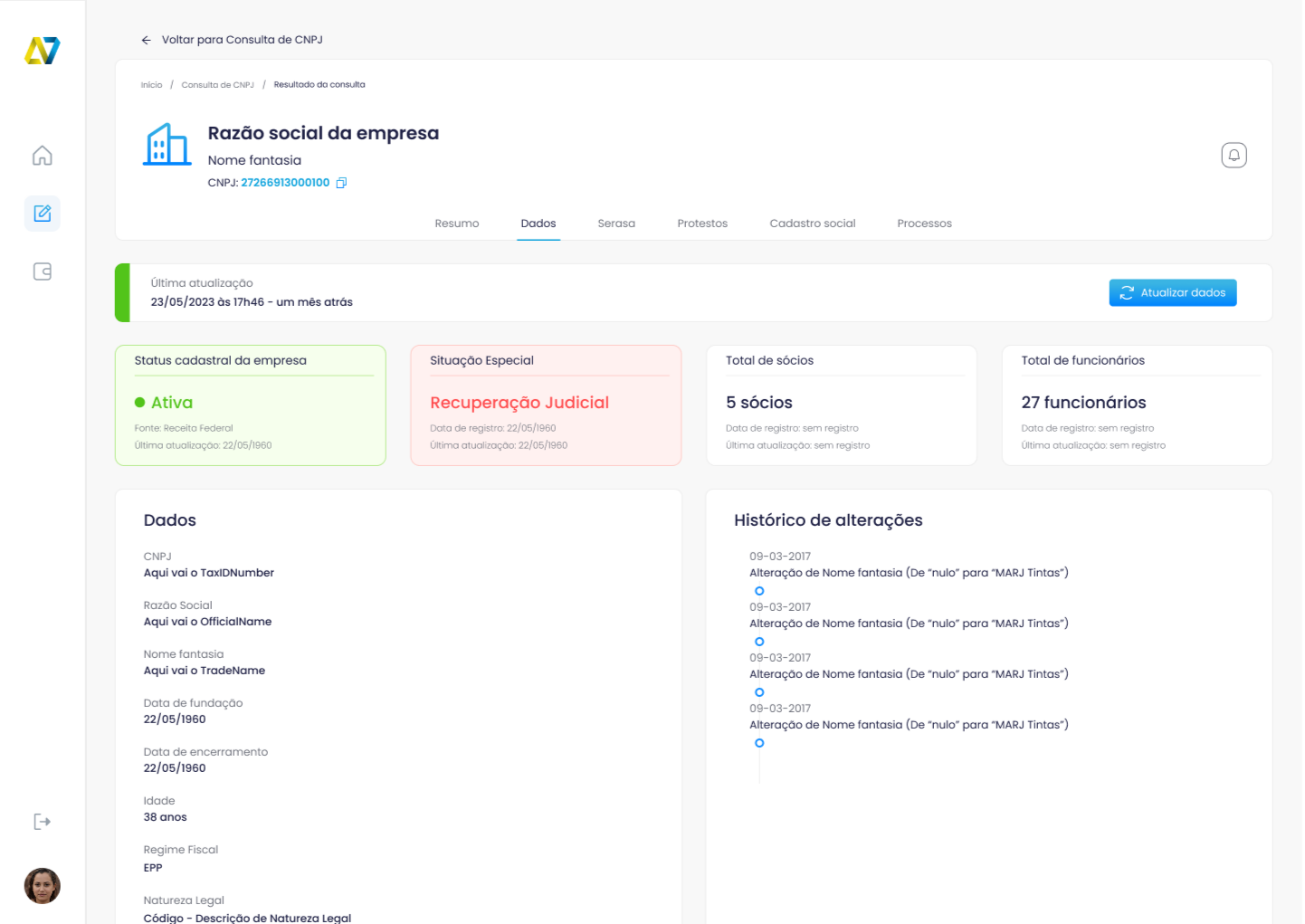
The final product is a comprehensive internal dashboard that serves as the command center for the credit analysis team.Key Features:
Consolidated Data: A single search for a client's CNPJ queries all relevant external APIs and presents the complete data in one interface.
Deep-Dive Tabs: Organized sections for "Dados" (Detailed Data), "Serasa," "Protestos," and "Processos" allow for thorough investigation when needed.
Real-Time Refresh: An "Atualizar dados" (Update Data) button empowers analysts to fetch the latest information on demand, ensuring all decisions are based on the most current data.
Change History: A timeline feature ("Histórico de alterações") provides crucial context on the company's stability and registration changes over time.
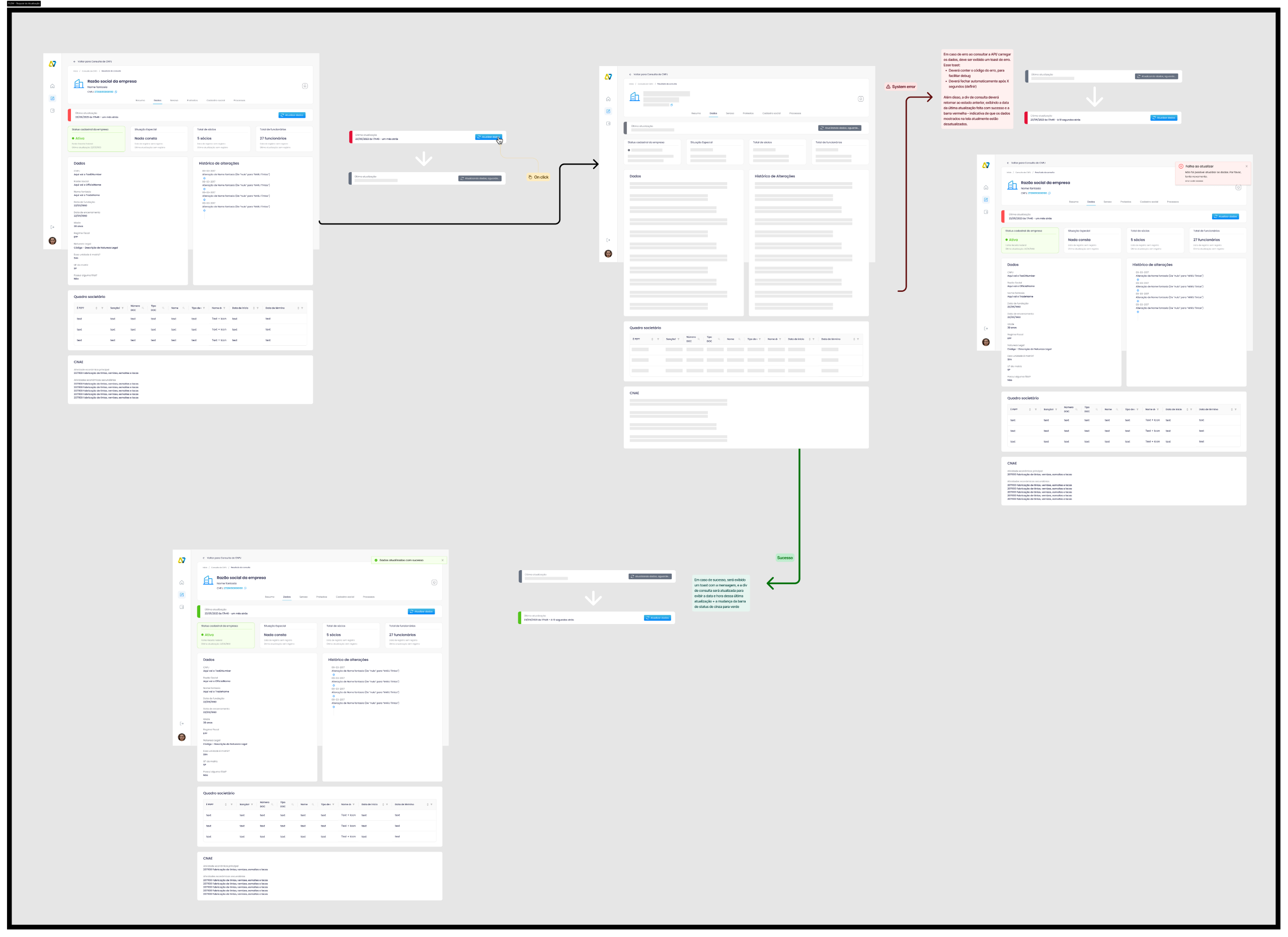
As part of the final design handover, I delivered detailed user flow specifications for key interactions, such as the data update request, to ensure clarity and alignment for the development team.
Outcomes & Impact
The implementation of the new internal platform directly addressed the initial goals and had a significant positive impact on the business.
Massive Efficiency Gain: The new tool drastically reduced the time required to conduct a credit analysis, moving from a multi-hour manual process to a few minutes of review.
Improved Decision Quality: By eliminating manual data entry errors and presenting data in a clear, consistent format, analysts could make more accurate and confident decisions.
Enhanced Scalability: The new platform provided a robust foundation for the A7 Credit team to grow, allowing them to onboard new analysts and easily integrate new data sources in the future.
Key Learnings
UX is a Business Tool: This project was a clear example of how investing in internal tools and UX research directly translates to business value by optimizing core processes.
Understand the "Why" Behind the Data: Interviewing the analysts was crucial. Simply displaying the data wasn't enough; I had to understand how they used it. This led to features like the "Status" card and "History" timeline, which were vital to their decision-making process but not explicitly in the initial brief.
Iterate on Information Density: In a data-heavy application like this, the progression from V1 (big empty boxes) to V3 (scannable cards and tables) was the most critical part of the design process. Finding the right balance between a high-level overview and detailed data was the key to success.
Check out other cases

Credit Consultation Platform

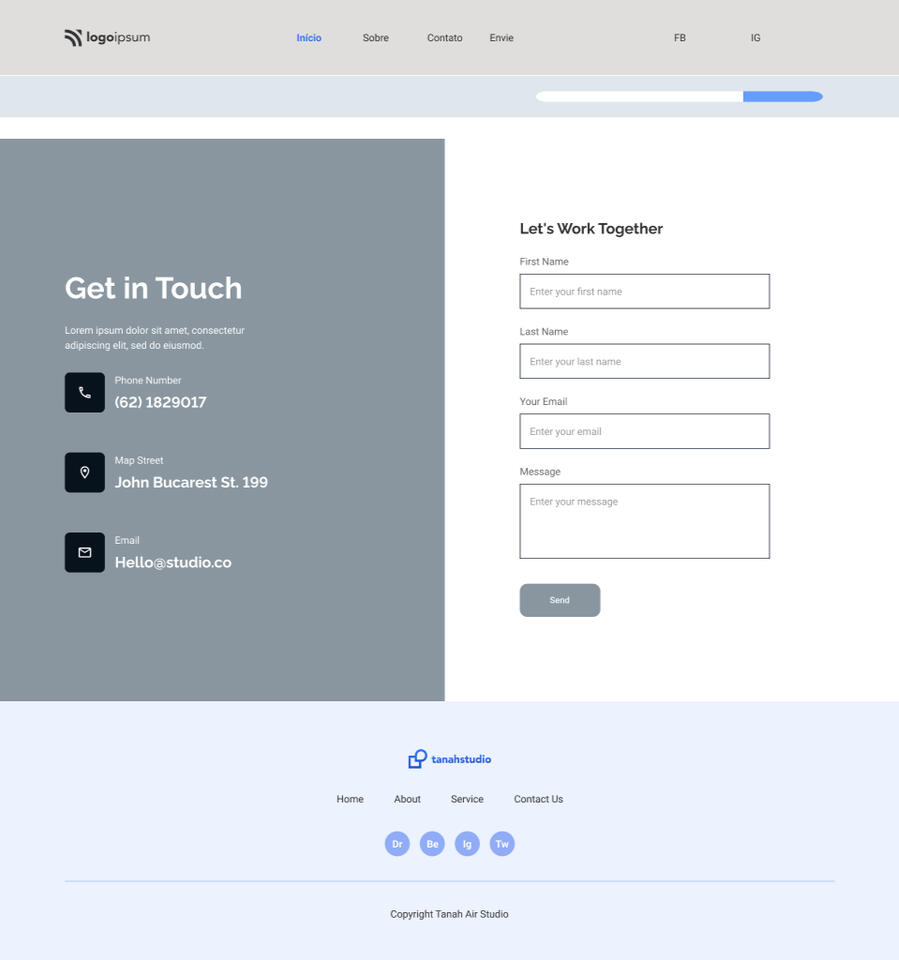
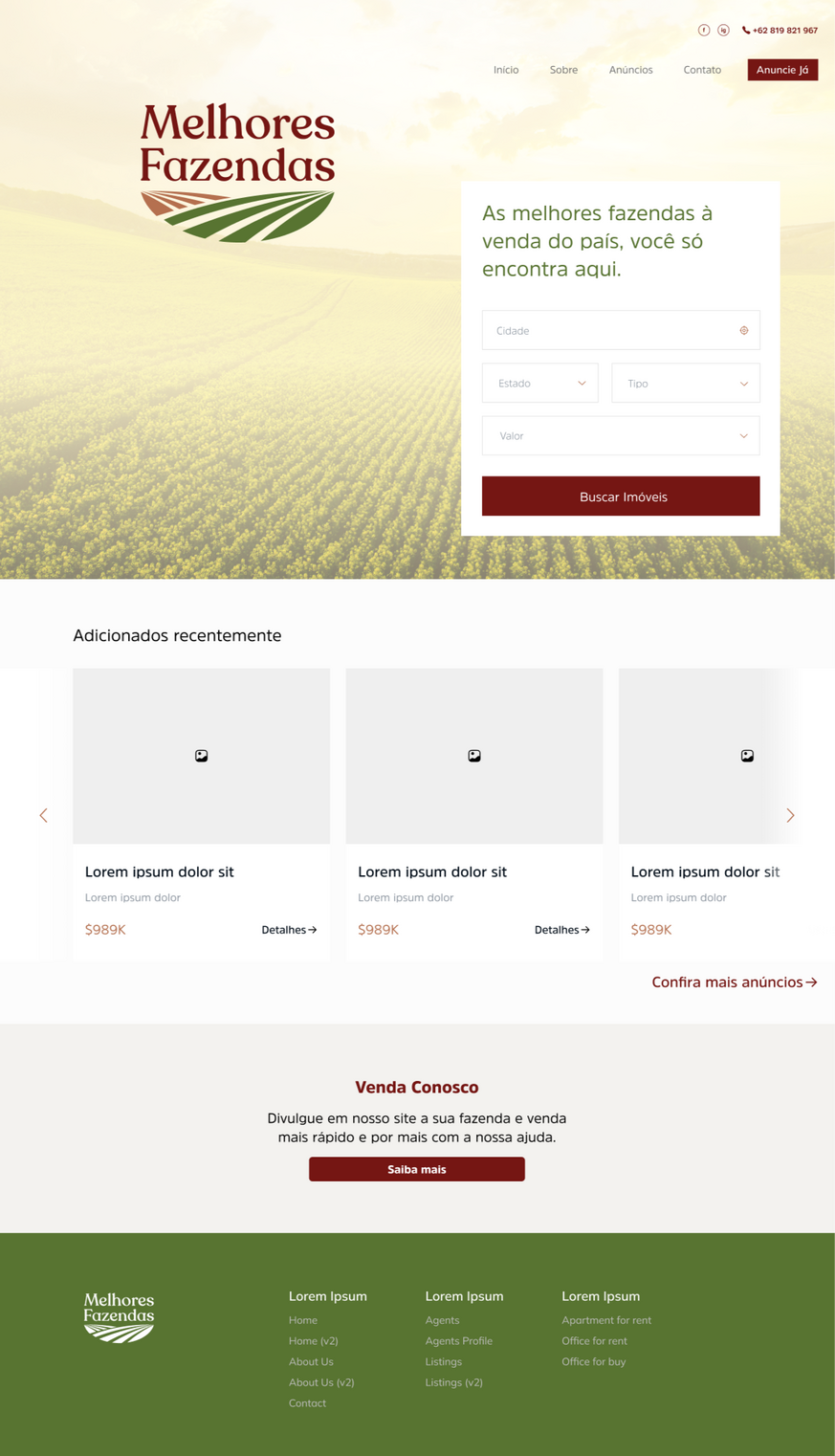
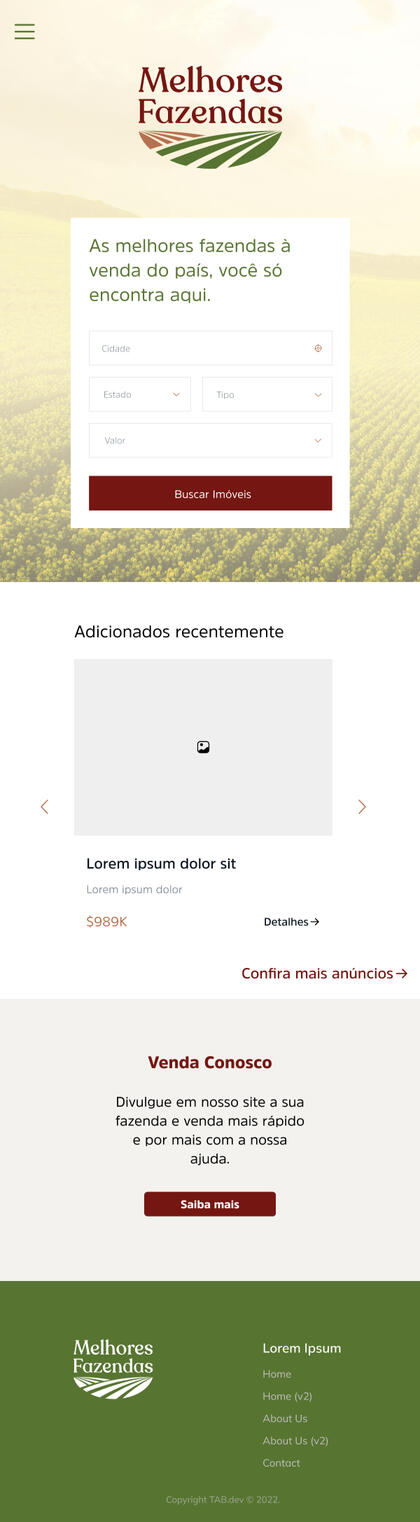
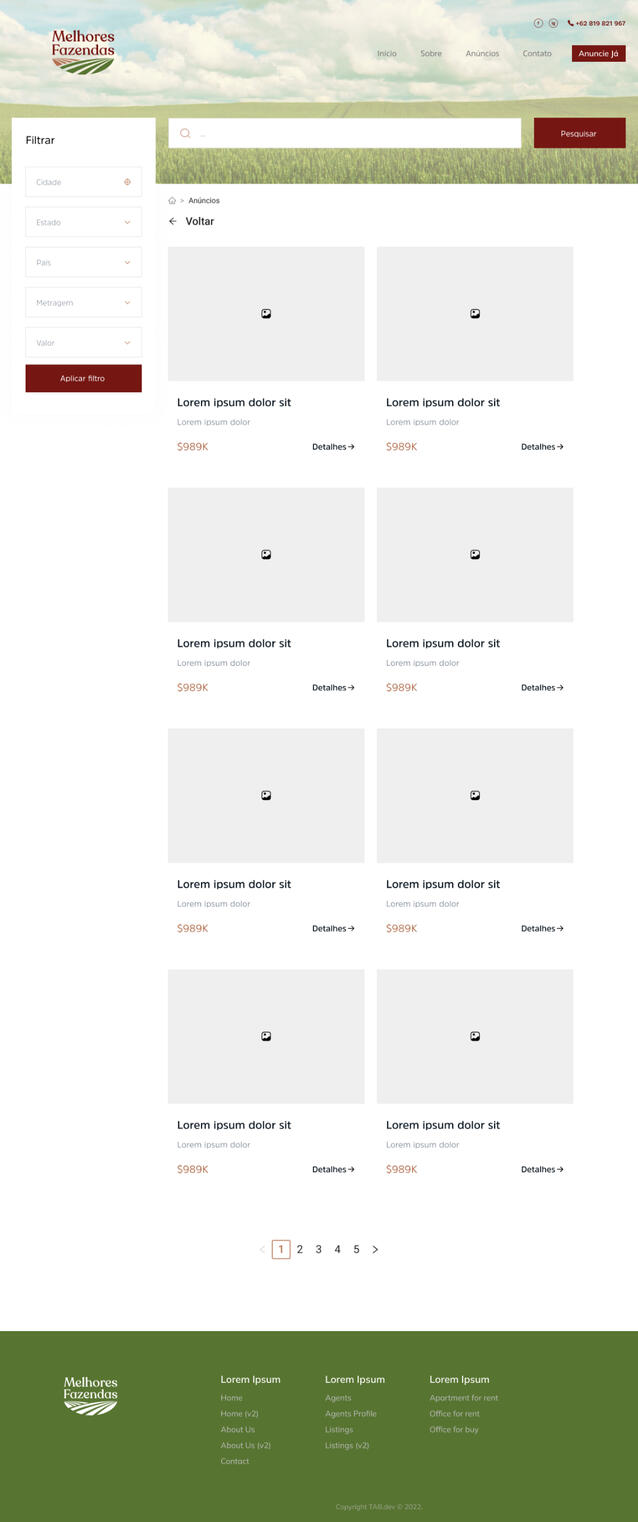
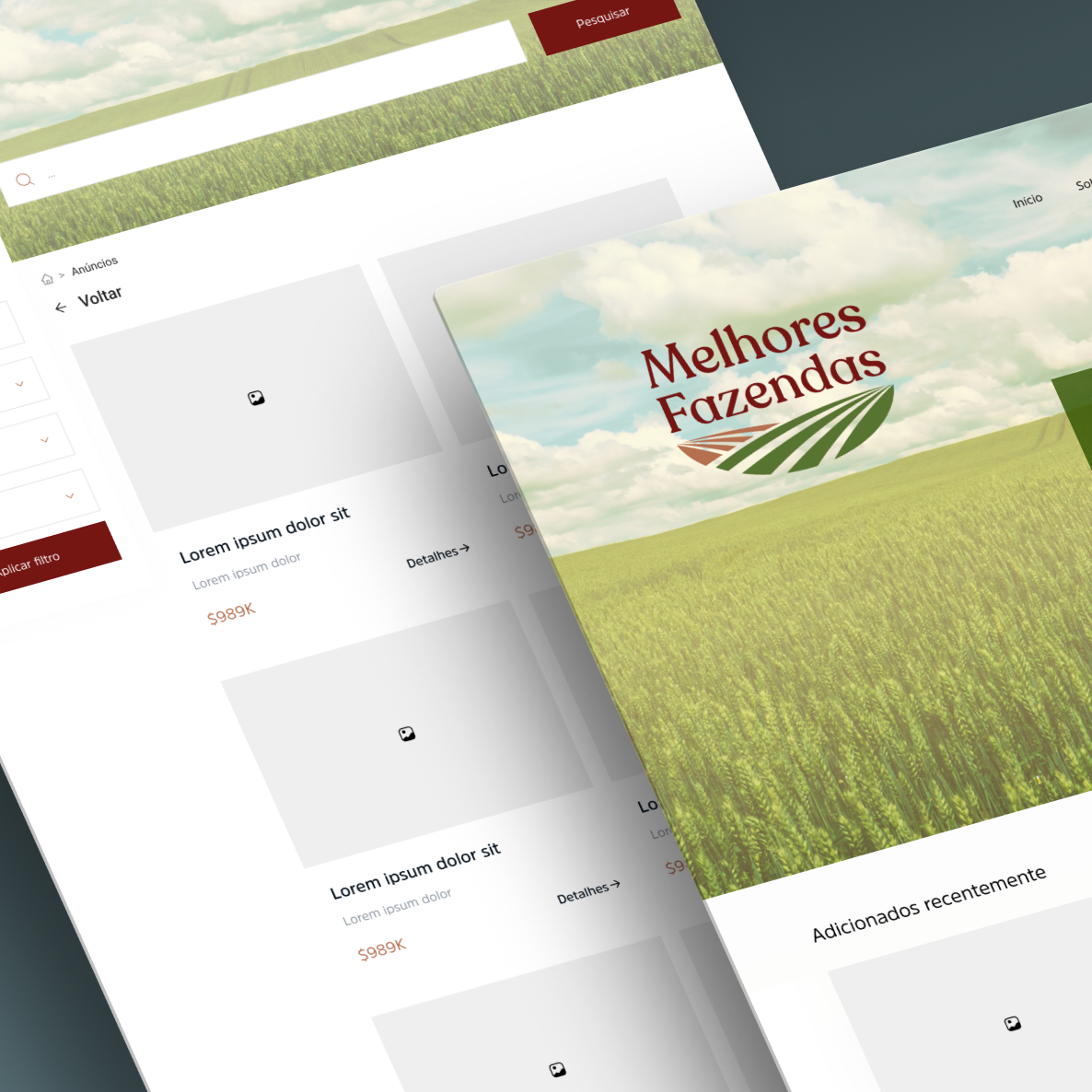
Melhores Fazendas


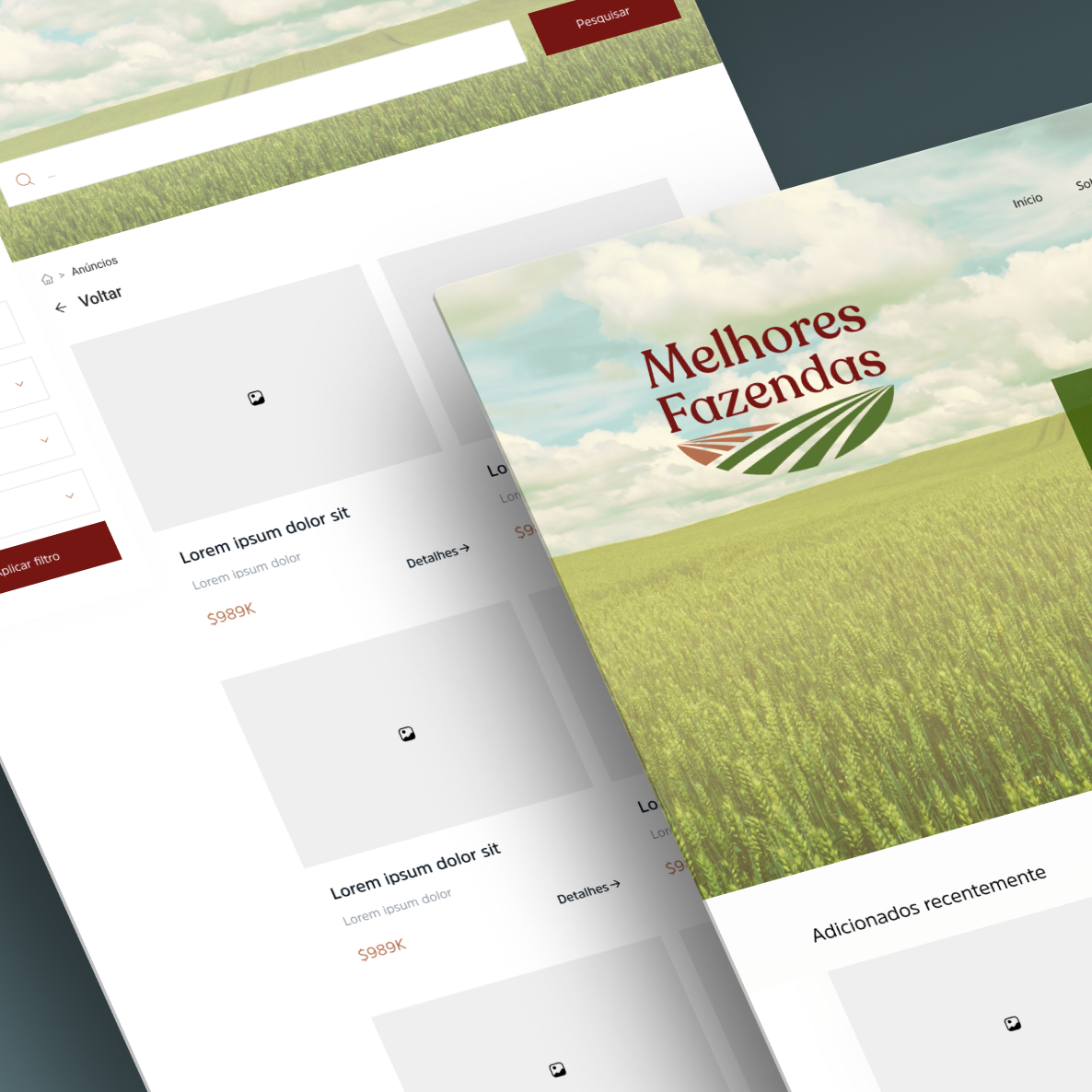
Melhores Fazendas
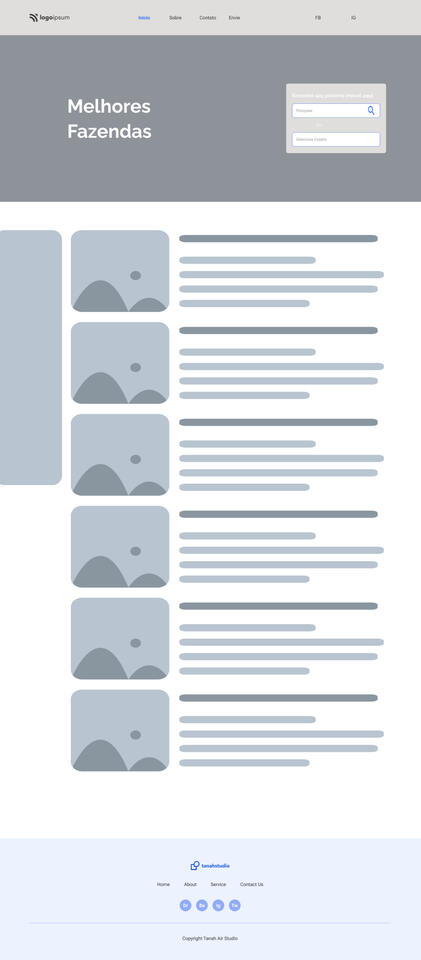
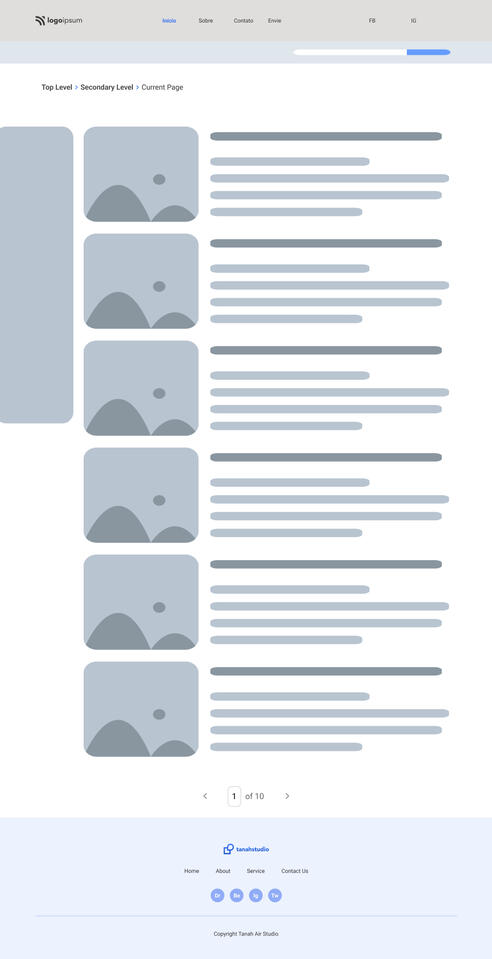
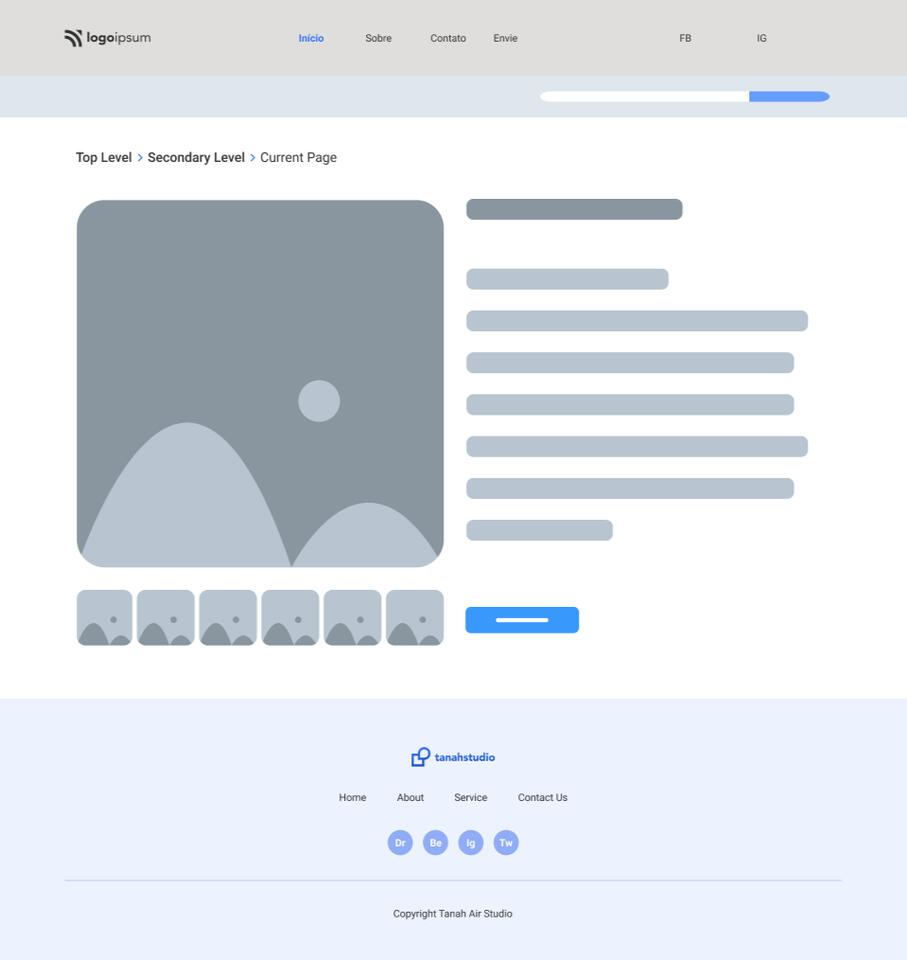
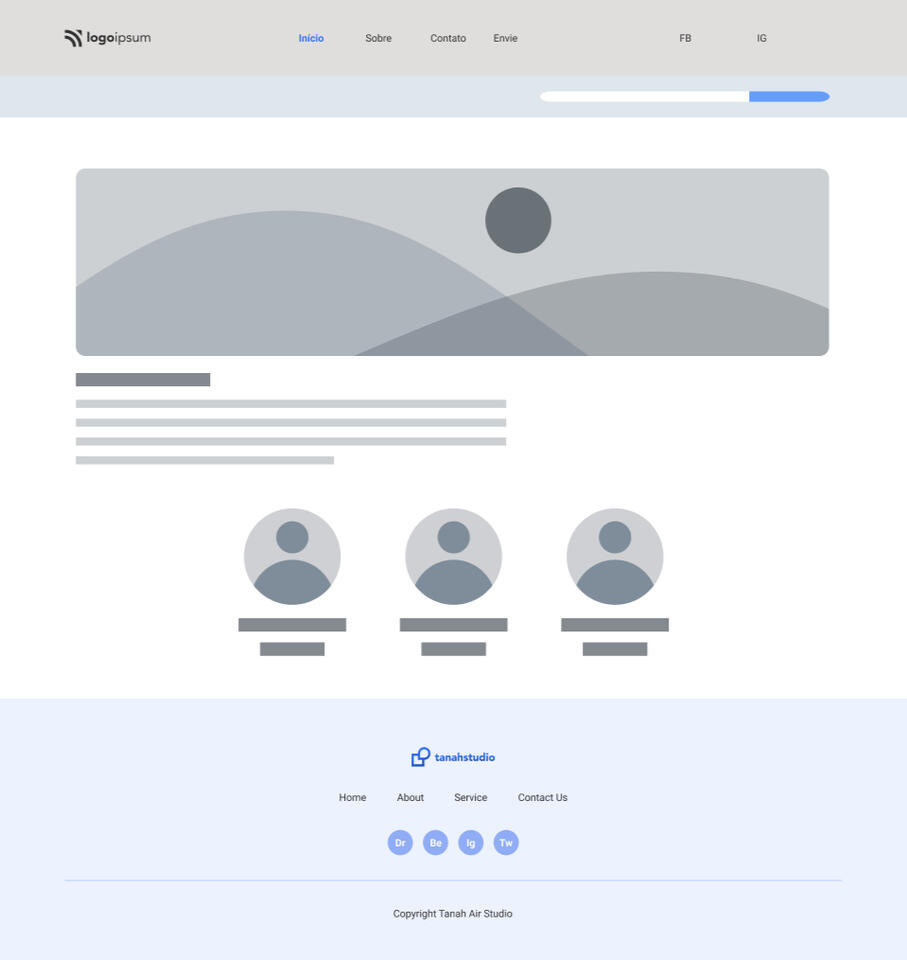
A platform designed to simplify the sale and promotion of farms across Brazil. The goal is to provide an intuitive experience for users looking to buy or list rural properties.
Role: UX/UI Designer
Status: Conceptual project — not implemented
Team: Product Designer · Dev Team
Tools: Figma · Photoshop · Developer collaboration
What I did
Designed wireframes and high-fidelity prototypes focused on clarity, trust, and ease of navigation
Explored user needs on both sides: buyers and sellers
Worked closely with developers to validate feasibility and propose user-focused solutions with technical alignment
Outcome
Created a scalable layout for listing farms with location filters and image galleries
Defined flows that simplified content publication for non-tech-savvy users
Built a design system that could grow with future features

Meu diferencial
Além de criar interfaces visualmente atraentes, meu foco está em desenvolver soluções que realmente facilitam a vida dos usuários e geram valor para o negócio. Acredito que um design eficaz nasce da interseção entre pesquisa, estratégia e experimentação.
Metodologia e mindset
Meu processo envolve pesquisa, prototipação e validação contínua, garantindo que cada decisão seja embasada em dados e feedback real. Trabalho de forma colaborativa com times multidisciplinares, unindo UX/UI, desenvolvimento e estratégia de produto para entregar soluções completas.
Valores que guiam o meu trabalho
Sou movida por curiosidade, inovação e aprendizado contínuo. Para mim, um bom design vai além da estética: ele resolve problemas, melhora experiências e cria conexões entre usuários, produtos, e marcas.
I’ve worked across startups and SaaS platforms, often as the sole designer, where I structured design processes from the ground up and built scalable systems that accelerated development. I thrive in multidisciplinary teams and believe that collaboration is key to building products that truly solve user problems.
🌟 What Sets Me Apart
Beyond designing visually engaging interfaces, my focus is on developing solutions that truly simplify users’ lives and deliver real business value. I believe effective design is born at the intersection of research, strategy, and experimentation.
🧩 Methodology & Mindset
My process is rooted in research, prototyping, and continuous validation — ensuring every decision is backed by data and real user feedback. I work collaboratively with multidisciplinary teams, bringing together UX/UI, development, and product strategy to deliver complete and impactful solutions.
💬 Core Values
I'm driven by curiosity, innovation, and continuous learning. For me, great design goes beyond aesthetics — it's about solving problems, enhancing experiences, and building meaningful connections between users, products, and brands.